



Energy Management - An Introduction




|
Why Do We Need Energy Management?
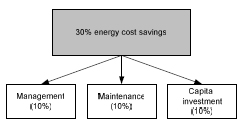
For many plastics processing sites, energy costs are approaching the cost of direct labour and energy costs are almost always higher than the actual profits of the site. Experience shows that for typical sites, where little action has been taken in the past, over 30% of the energy use is ‘discretionary’ - this means that the cost is incurred because the site management has either decided to take no action or because it has not recognised the opportunities for improvement. In most cases, energy use and costs can be reduced by over 30% and these savings add directly to the site profits.
What are the returns? The company energy policy. The policy should include the following sections:
A Climate Change Agreement could help you achieve these goals. Click here to see how.
Browse net zero and sustainability related practical guides, written by renowned industry experts and proven to aid plastic processors in their journeys to becoming energy and cost efficient. See below for a selection of our most up-to-date net zero resources, most you can access for free, or you can view our full publication library here Your Energy Management Toolkit: Insights from Dr Robin Kent
Energy Management Workbook (Free to download for BPF Members and CCA Partners)
Energy Management Information Sheets (Free to download)
Energy Management In Plastics Processing Booklet
Managing Sustainability in Plastics Processing: A Quick Start Guide
Net Zero for Plastic Processors: A Practical Guide (2022) Sustainability Management in Plastics Processing: Strategies, Targets, Techniques and Tools
Energy Management in Plastics Processing - Fourth Edition
Take Your Energy Management Knowledge to the Next Level - With a CPD Accredited Short Course Join the plastics industry's acclaimed online short course on energy management. Gain lifetime access when you enroll and learn how to monitor, track and optimise your energy use in this 2.5 hour training designed specifically for plastic manufacturing processes. Click here to start today (exclusive discount available for BPF members). |