



BPF Publication Library
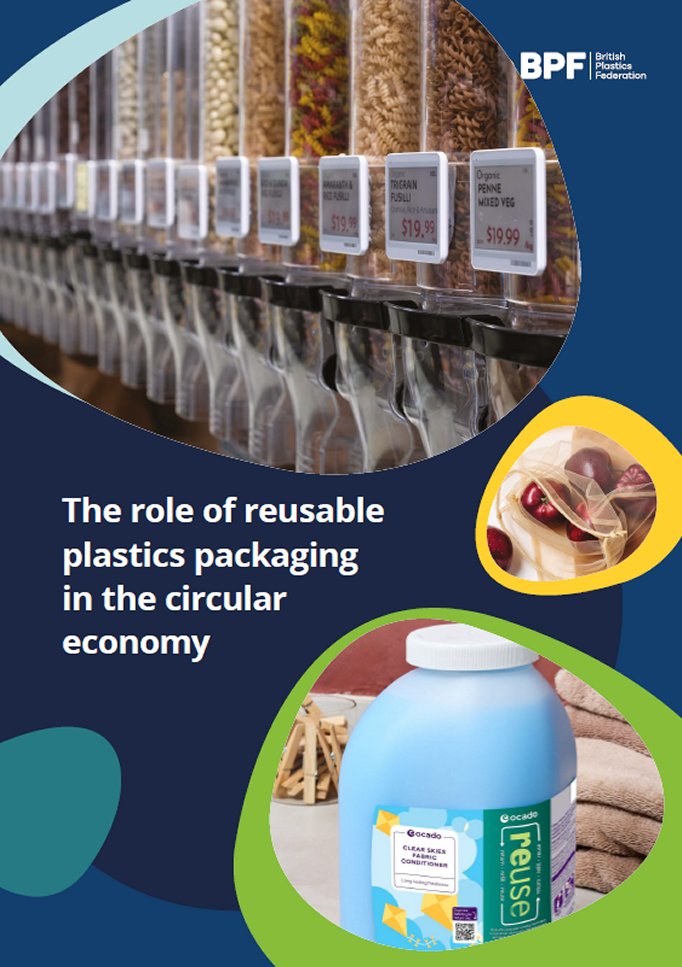 |
The Role of Reusable Plastics Packaging in the Circular Economy Reusable packaging is moving from pilots to real systems. This report examines how reusable plastic packaging can support the transition to a more circular economy and explores the growing interest in refill and return systems across the UK. It outlines the practical, commercial and legislative challenges that must be addressed, while highlighting the advantages plastics offer in emerging reuse models. The document provides an overview of current activity, the barriers slowing progress, and the opportunities reuse could deliver as systems continue to develop. Pages: 26 |
||||
 |
Stabilise and Grow: An Action Plan for the UK Plastics Recycling Sector This document builds on the earlier BPF Briefing Paper on Plastic Recycling Market Conditions, examining the continued closure of UK recycling sites and the loss of more than 17 facilities with around 400,000 tonnes of capacity. It looks at why the market is still shrinking and turns the spotlight onto the urgent actions needed to stabilise the sector and lay the groundwork for future growth, highlighting pressures such as delayed legislation, low-cost import competition, issues within the PRN and PERN system, and ongoing fraud concerns. Pages: 4 |
||||
 |
OCS Training Course This course will teach you how to comply with Operation Clean Sweep (OCS) and PAS 510:2021. By the end of the course, you will have gained the knowledge on how to implement a management system which prevents the loss of plastic pellets, flakes and powder into the environment. Throughout the course, there will be summative quizzes to check your knowledge and understanding. This course will take approximately 2 hours to complete, and it is CPD-accredited by IOM3. This course is completely FREE to anyone. Pages: 46 |
||||
 |
Environment, Social and Governance (ESG) Guidance Document Available free to all to BPF members the BPF's ESG Guidance sets out how to decide what to report on through conducting a materiality assessment, how to collect data and how to set goals and KPIs. It also tackles greenwashing and how to ensure you promote the successes of a company without potentially falling foul of greenwashing rules. Pages: 26 |
||||
 |
'Controlling Energy Management in Plastics Processing - A Quick Start Guide' 2024 Workbook Explore BPF Energy's latest workbook, 'Controlling Energy Management in Plastics Processing - A Quick Start Guide'. Now in its fourth edition, this comprehensive resource is designed to optimise your efficiency in plastics processing operations. Giving you practical steps to enable your business to effectively reduce energy consumption, lower costs, and decrease carbon emissions. Pages: 120 More Information | This document is free to download and exclusively accessible to BPF members and CCA Partners. |
||||
 |
BPF Briefing Paper: Plastic Recycling Market Conditions This briefing document outlines the current conditions within the plastic recycling sector, the factors which have contributed to these and also actions which can be taken to mitigate them. Pages: 5 |
||||
 |
Recycling Roadmap Second Edition The Recycling Roadmap sets out all the latest data on plastic recycling across all sectors. It also provides a forecast for what could be achieved in plastic recycling by 2030 and 2035 with the right drivers in place. The Roadmap sets out the 16 drivers identified to help to achieve the forecast. Pages: 30 |
||||
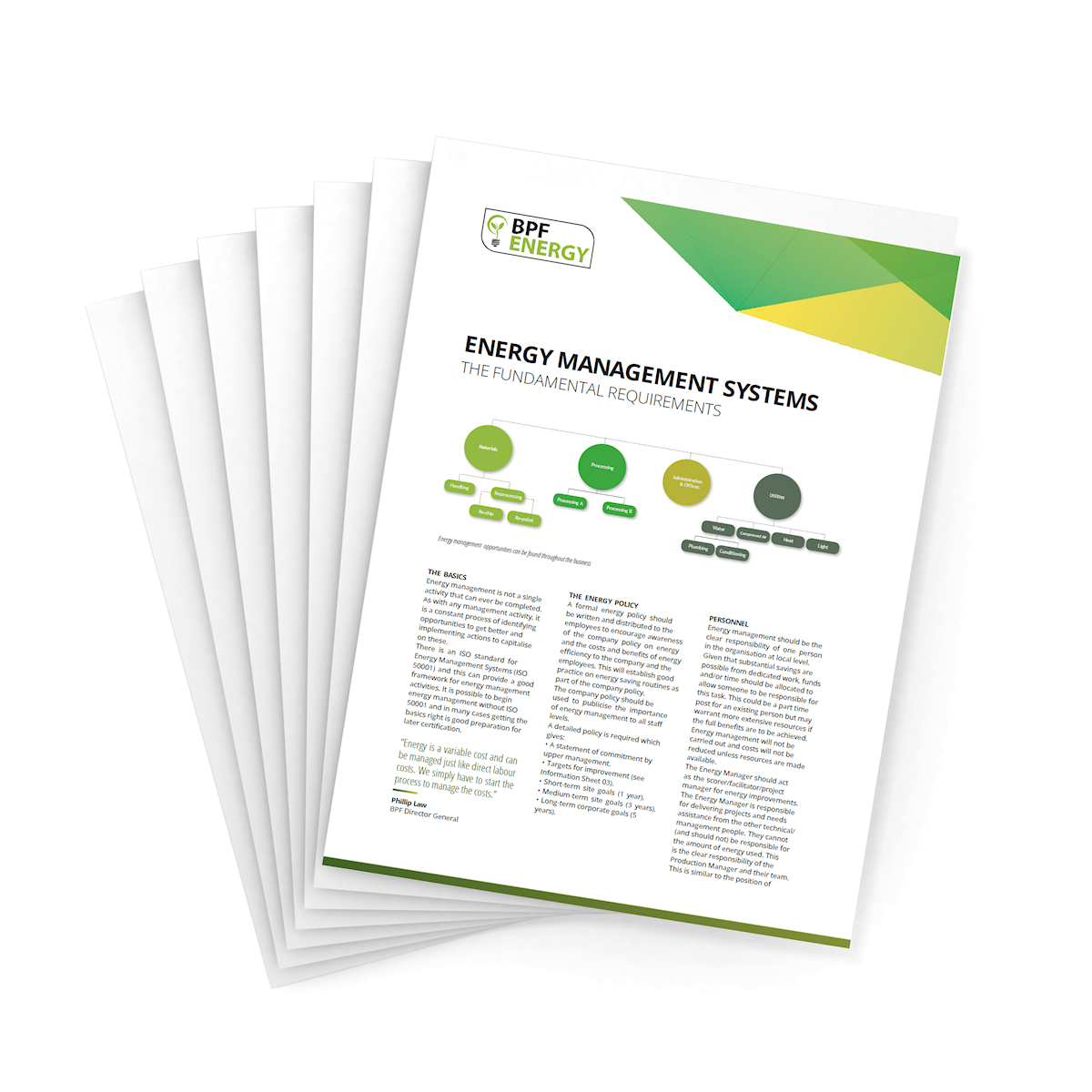 |
Energy Management Information Sheets BPF Energy's quick start guides on energy management tailored for the plastics sector. Explore the thirteen processing areas in these information sheets to gain an understanding of optimal energy management practices tailored for your plastics business. Downloadable Information sheets: 13 More Information | (Free to download) |
||||
 |
Understanding Best Available Techniques (BAT) This document acts as a high-level guide, intending to help BPF members think through key questions and concerns that could link to BAT within their operations. The guide addresses the key questions for implementing BAT, including:
Pages: 8 More Information | Download (BPF Member Only) |
||||
.png) |
Redefining Productivity Introductory Guides The plastics industry is changing. It is now as important as ever to increase the efficiency of plastic manufacturing through proactive measures and innovative strategies. The BPF Productivity Committee has launched 3 introductory guides which are available for BPF members - these are 'Energy Management', 'Product Design', and 'Equipment Effectivness' - with more to follow. Pages: 21-27 More Information | Download (BPF Member Only) |
||||
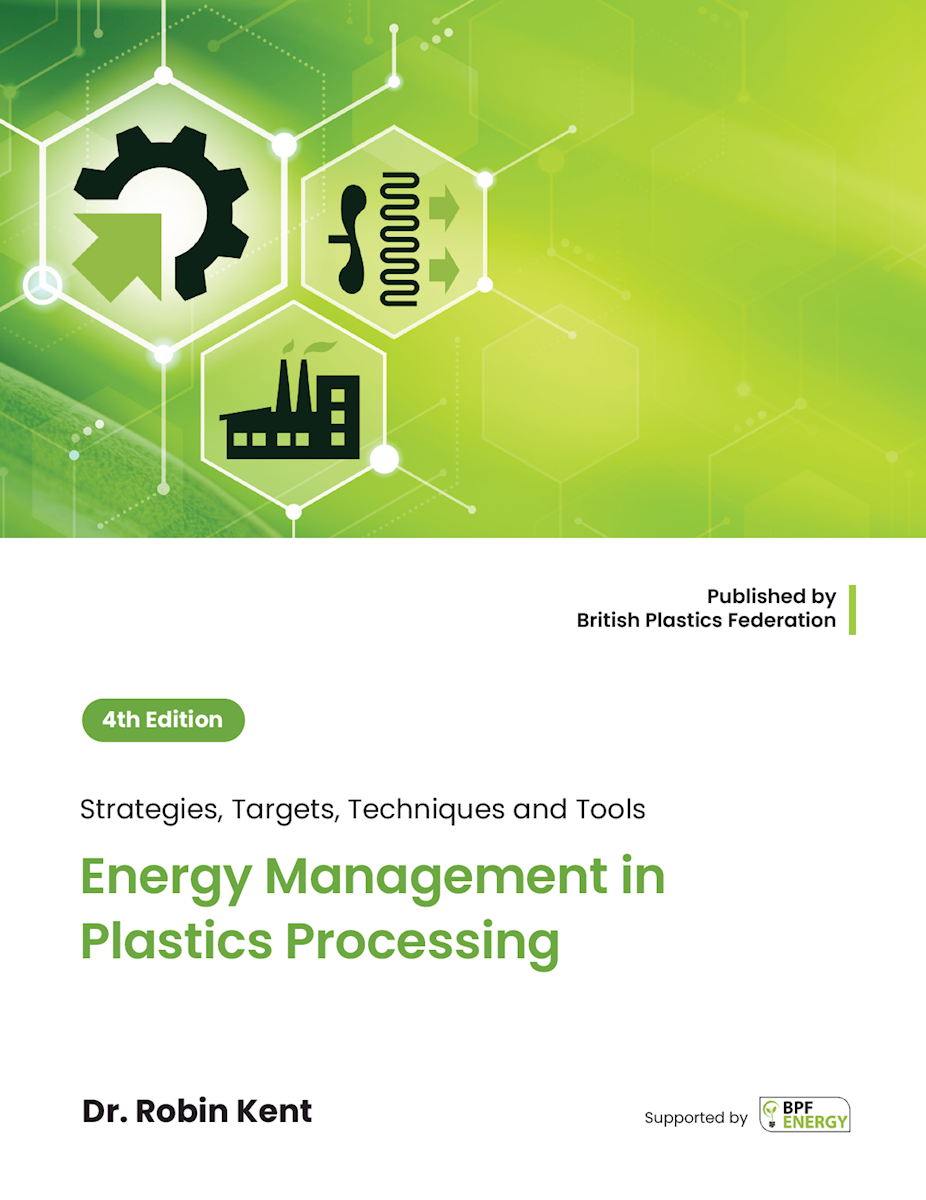 |
Energy Management in Plastics Processing - Fourth Edition Energy management is a topic that has grown in importance to every industry over the past 30 years, and the plastics industry is no exception. But many companies do not have a clear programme to reduce their energy use, costs, and carbon impact. they do not know how best to start to manage their energy use and to become more energy efficient. Pages: 448 |
||||
.png) |
Recyclability By Design: Core Principles For Plastic Packaging Recyclability It provides detailed guidance for a variety of polymers, with tables summarising best practice for the main component of the packaging, as well as other components such as lids and labels. Readers are encouraged to engage with the detailed advice contained within this report but
|
||||
 |
Election Manifesto Submission 2024 The BPF has published its election manifesto submission, which highlights 8 crucial policy requests for the UK plastic industry. We are sharing this important document with the policy teams at all the main political parties as well as key political and industry stakeholders. Contents include...
Pages: 10 |
||||
 |
Pathway to Net Zero: Decarbonisation of the UK plastic sector As part of its commitment to the environment and to act in response to global warming the BPF is looking to implement measures to help the UK plastics industry reduce carbon emissions and work toward net zero. This approach aligns with the need to respond to increasing stakeholder interest and increased Government focus on environmental policy, particularly carbon emissions, and to mitigate risks associated with greater energy insecurity with higher costs, and additional costs associated with carbon emissions.
Pages: 64 |
||||
.png) |
Recycled Content Verification Systems Research Document "HMRC require businesses to prove that plastic packaging components that contains 30% or more recycled content are not taxable, albeit there is no requirement to provide evidence of recycled content through a certification or verification scheme". "In the coming years the tax, and any associated recycled content verification activities, both need to be agile enough to adapt to developing legislation and systems in the UK and internationally to ensure coherent and inclusive policy can be applied for businesses that use plastic packaging". Pages: 34 |
||||
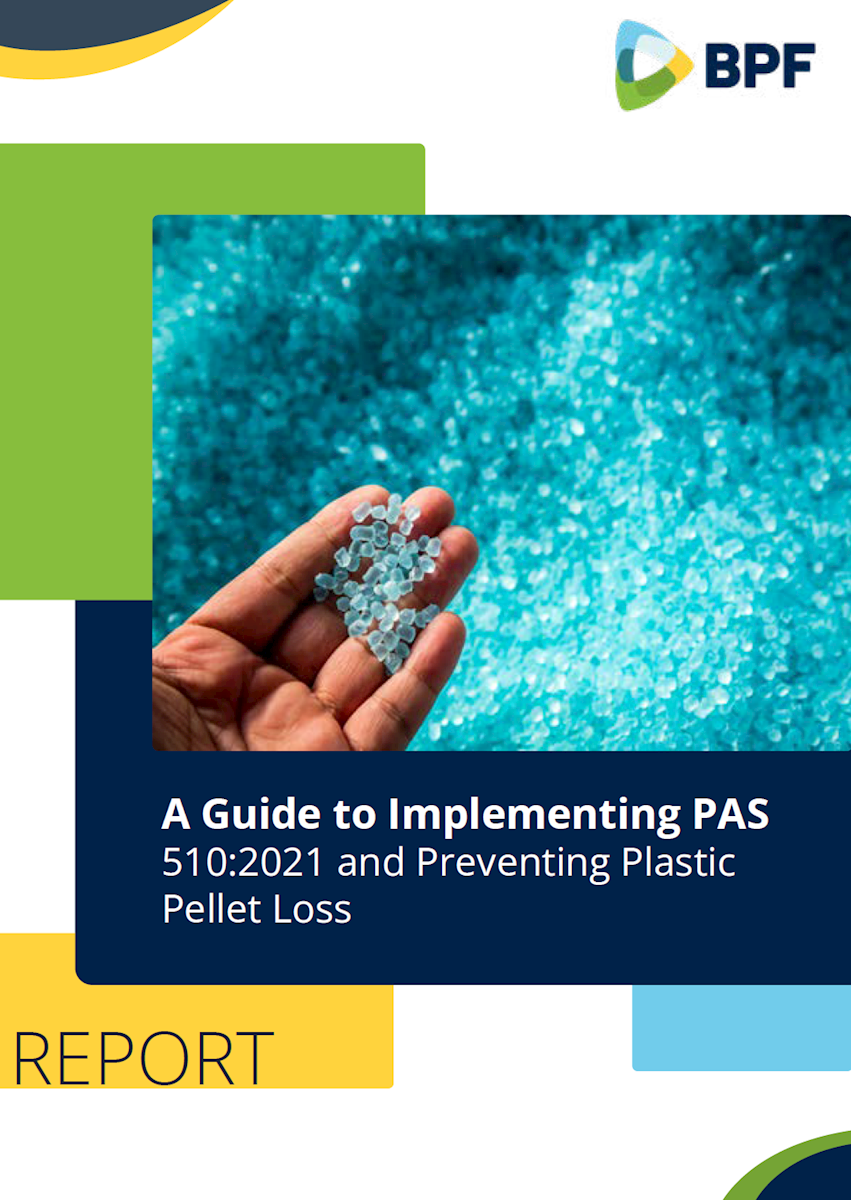 |
PAS 510:2021 Guidance
Download (Members Only)
|
||||
 |
Managing Sustainability in Plastics Processing: A Quick Start Guide
|
||||
 |
Net Zero for Plastic Processors: A Practical Guide to Delivering Net Zero
|
||||
 |
Sustainability Management in Plastics Processing: Strategies, Targets, Techniques and Tools |
||||
.png) |
Plastic Packaging Tax Guide
Pages: 48 |
||||
 |
Pages: 68 |
||||
 |
Net Zero Briefing: Introduction to Net Zero for the Plastics Industry The concept of ‘net zero’ is broad and, whilst the term has been in common use for some time, it has also been loosely defined. At the global level, net zero emissions are reached when anthropogenic (i.e. human-caused) greenhouse gas (GHG) emissions to the atmosphere are balanced by anthropogenic GHG removals over a specified period of time. This document explores the following...
|
||||
 |
Recycled Content Verification Systems
|
||||
 |
Plastics Explained - Exploring the Key Topics An overview of some of teh key topcs facing the industry, including...
|
||||
 |
Frequently Asked Questions About Plastic A short document examining some of the frequently asked questions about plastic...
Pages: 16 |
||||
 |
Recycling Roadmap It provides answers to a number of questions, including:
Pages: 84 |
||||
.png) |
Sustainability in the Plastics Supply Chain
|
||||
 |
Recycled Content Used in Plastic Packaging Applications |
||||
 |
Plastic Packaging: Frequently Asked Questions
Pages: 25 |
||||
 |
Sustainable Plastic Design Workshop Report |
||||
 |
Plastics: A Vision for a Circular Economy Pages: 28 |
||||
 |
Controlling Energy Use in Plastics Processing This is the Third Edition of the BPF Energy Workbook on ‘Controlling Energy Use in Plastics Processing’ and follows the successful style of the previous editions. The Workbook has been expanded to cover even more topics and to provide even more information to plastics processors. Topics include,,,
Pages: 95 |
||||
 |
The UK Plastics Industry: A Strategic Vision for Growth 'The UK Plastics Industry: A Strategic Vision For Growth' sets out the key actions needed to take collaboratively to ensure the UK continues to maintain a pivotal role in the future of the plastics industry. The report has identified seven key points for action to support future industry growth. These are:
Pages: 66 |
||||
Other Documents |
|||||
.png) |
British Plastics Federation (BPF) Annual Review Every year The British Plastics Federation publishes an Annual Review, which documents work that the organisation has been involved in during the previous 12 months, this includes...
|
||||
 |
British Plastics Federation's Member Directory Each year the BPF publish a full list of all members of the federation with over 500 companies listed, split into 400+ catergories so companies. |
||||
 |
BPF Member Surveys The BPF carry out a number of surveys each year amongst its members, many of which are shared with Government officials and officials from the Bank of England. Some of these surveys are exclusively available to members of specific groups, others are available to all. |
||||
.png) |
BPF Business Conditions Survey Business trends in the plastics industry have much wider implications beyond the confines of the sector. Plastics are used in an extraordinarily wide range of customer sectors: retail, building and infrastructure, automotive, electronics, aerospace and healthcare to name but a few. Hence trends in the plastics industry can be regarded as representative of manufacturing as a whole, if not UK business in general. Therefore this survey acts as a barometer of conditions and business sentiment from the grass roots of the UK’s manufacturing economy. Since 2009, the Federation has carried out this survey every six months and wherever possible previous data is shown to better understand industry trends. |
||||



